5 Differences Between Silica Sand and Regular Sand
Silica sand and regular building sand look almost the same, but they are not interchangeable. One is a controlled industrial raw material with 95%+ quartz; the other is a general aggregate for concrete. This guide explains what silica sand is, the 5 real differences, and when to use which.
What Is Silica Sand?
Silica sand is sand composed of at least 95% silicon dioxide (SiO2, quartz). It is abundant in nature and found in rocks like granite, gneiss and sandstone. Because of its purity and uniformity, it is a controlled raw material for glass, foundry molds, ceramics, water filtration and oil-well proppant.
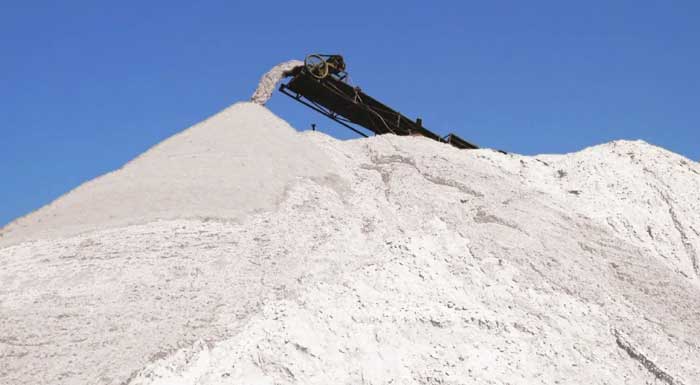
5 Key Differences Between Silica Sand and Regular Sand
1. Composition
Silica sand is 95–99% quartz. Regular building sand is a mix of quartz, feldspar, clay and organic matter, so its chemistry is not controlled.
2. Purity
Silica sand has very low iron, aluminium and organic impurities — this purity is what glassmakers and foundries pay for. Regular sand contains clay, silt and other minerals that change its behaviour.
3. Hardness and Durability
Quartz has a Mohs hardness of 7, so silica sand is hard and resists abrasion. Regular sand also contains quartz, but its mixed minerals make it softer overall. Silica sand is the better abrasive and lasts longer in industrial use.
4. Uses
Silica sand goes into glass, foundry molds, ceramics, sandblasting, water filtration and oil-gas proppant. Regular sand is mainly used for concrete, mortar and bricks in construction.
5. Cost
Because of its purity and specialized uses, silica sand costs more than regular sand. Regular sand is cheap and widely available, which is why it dominates construction.
Comparison Table
| Point | Silica Sand | Regular Sand |
|---|---|---|
| Composition | ≥95% quartz (SiO2) | Quartz + feldspar + clay + organics |
| Purity | Very low Fe / Al / organics | Higher impurities, fines |
| Hardness (Mohs) | 7 (quartz) | Lower, variable |
| Main use | Glass, foundry, filter, proppant | Concrete, mortar, bricks |
| Cost | Higher | Lower |
When to Use Which
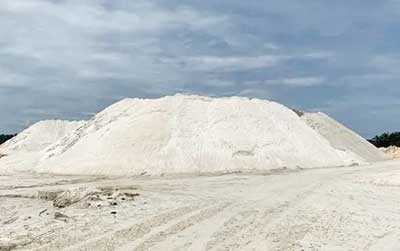
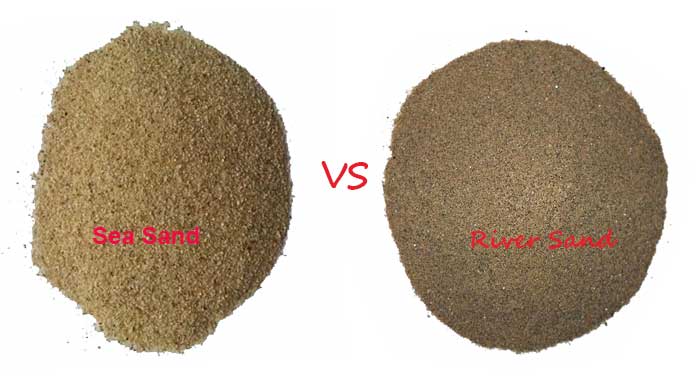
Use silica sand where purity and uniform grain matter — glass, foundry, water filtration, sandblasting and proppant. Use regular sand for concrete, mortar and general fill. Sea sand and untreated mountain sand are banned in construction — chlorides corrode rebar, aging buildings early and risking safety. In casting, swapping silica sand for cheap river sand only brings burrs and sand clumping. Not worth the saving — never mix sands in professional use.
Never assume they are the same; check the SiO2 content and impurities before buying for an industrial job.
Frequently Asked Questions
Is silica sand the same as regular sand?
No. Silica sand is at least 95% quartz with low impurities, while regular sand is a mixed aggregate used mainly for concrete and mortar. They are not interchangeable.
Why is silica sand more expensive?
Because it is more uniform and purer, and it needs washing, screening and sometimes magnetic or gravity separation to reach the purity that glass and foundry buyers require.
Is silica sand harmful?
Respirable crystalline silica dust is hazardous when inhaled and can cause silicosis over time. Handle silica sand with dust control and personal protection; the sand itself is not chemically toxic.
Learn more: what quartz sand is and silica sand processing solutions.
 How To Make Glass From Silica Sand
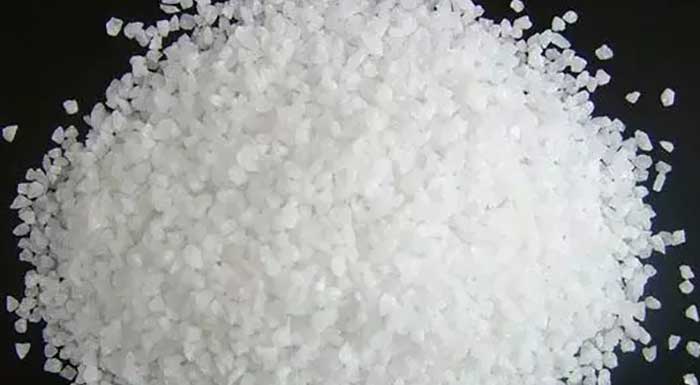 Silica Sand Processing Solutions
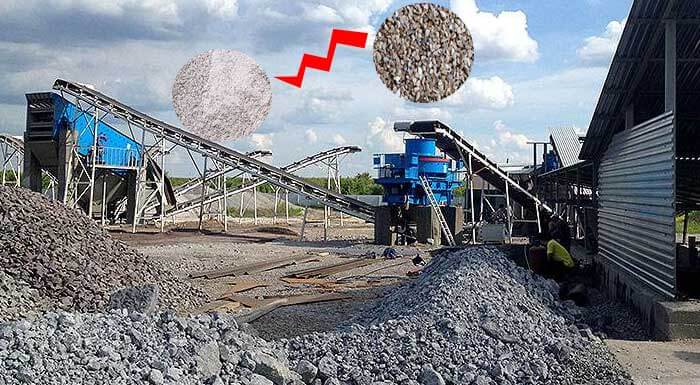 Silica Sand Washing Plant | Quartz Sand Processing
 5 Differences Between Sea Sand and River Sand
Dear Sir/Miss;
We kindly request a quotation for the following Silica products.
1- Silica sand :0-2-0-5 mm(or similar)
2- Silica sand :2-5 mm(or similar)
3- Silica Powder :800 mesh mm(or similar)
Actually we are going to mix them with cements.
If sizes are unavailable, Please provide pricing for the closest alternatives.
best regards
Amir
My Phone:(703)397-6792
My Email:ttechno1401@gmail.com